In the rarefied world of classic car collecting, a simple folder of papers can be worth hundreds of thousands of dollars. A well-documented vehicle history—what collectors call provenance—separates genuinely valuable automobiles from expensive uncertainties. Yet many collectors, particularly those new to the market, underestimate documentation’s critical importance until a missing piece of paper costs them dearly.
At Zonda Cars, we’ve built our reputation on meticulous authentication and documentation verification. Over two decades of trading investment-grade vehicles have taught us that proper provenance isn’t just desirable—it’s essential. This comprehensive guide explores why documentation matters so profoundly and how collectors can protect their investments through proper record-keeping.
Understanding Provenance: More Than Just Paperwork
Provenance encompasses every document, photograph, receipt, and record that tells a vehicle’s story. It’s the difference between “this is a beautiful car” and “this is a documented, authenticated example with verified history.”
The term originates from the art world, where an artwork’s ownership chain and authenticity documentation determine value. In classic cars, provenance serves the same purpose: it proves authenticity, establishes legitimacy, and creates confidence for future buyers.
A comprehensive provenance package might include:
- Original build sheet or factory order form
- Window sticker and original sales documentation
- Service records throughout the vehicle’s life
- Ownership history with transfer documents
- Restoration receipts and photographic documentation
- Competition history and results (if applicable)
- Magazine features or historical references
- Expert authentication letters
- Correspondence with previous owners
- Original manuals, warranty cards, and factory literature
Each piece adds credibility and value. Collectively, they transform a car into a documented artifact with verifiable history.
The Economics of Documentation
The financial impact of proper documentation is substantial and measurable. Consider these real-world examples from our experience:
We evaluated two identical 1967 Ferrari 275 GTB/4s. Both were expertly restored, mechanically sound, and visually stunning. One had complete documentation: original build sheet, ownership chain back to delivery, service records from authorized dealers, and restoration photographic documentation. The other had minimal paperwork—just recent service receipts and a clean title.
The difference in value? Nearly $400,000. The documented example commanded a premium because buyers could verify its authenticity and history with confidence.
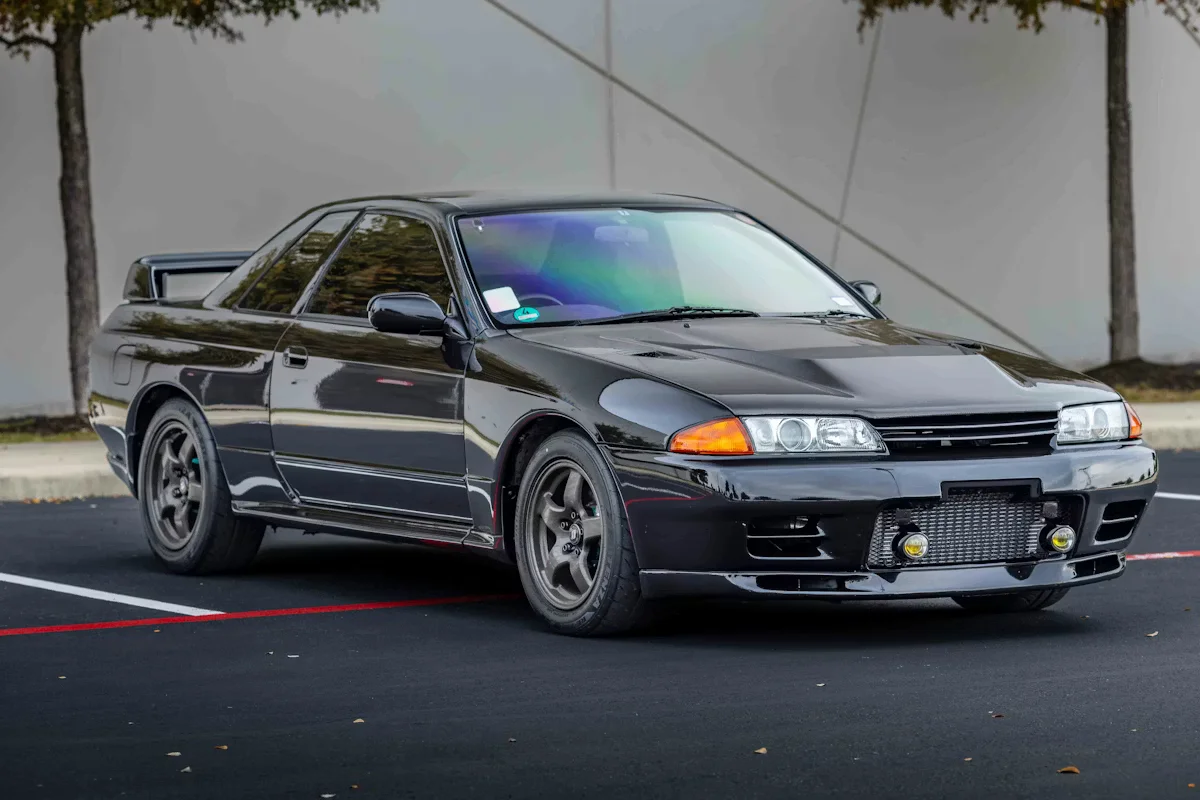
Similarly, we’ve seen JDM vehicles like Nissan Skyline GT-Rs vary by $50,000 or more based purely on documentation quality. A car with original Japanese auction sheet, service records, and import documentation easily outperforms an otherwise identical example with questionable history.
This premium reflects risk mitigation. Buyers pay more for certainty, knowing that proper documentation protects their investment and facilitates future resale.
Essential Documents: What Every Collector Needs
Certain documents carry particular weight in the collector market. Understanding their importance helps collectors prioritize acquisition and preservation.
Factory Build Documentation
Original build sheets, window stickers, and factory order forms provide DNA-level identification. They confirm original specifications, options, colors, and equipment as the vehicle left the factory.
For American cars, protect your window sticker and build sheet religiously. For European exotics, factory correspondence and order forms serve similar purposes. Japanese vehicles benefit from original auction sheets if they’ve passed through Japanese used car auctions.
These documents prove a car’s originality and detect discrepancies between current configuration and factory specifications. They’re irreplaceable if lost.
Matching Numbers Certification
The term “matching numbers” means the engine, transmission, and other major components retain their original factory-installed parts. Documentation proving this matching—either through factory records, marque club certification, or expert authentication—dramatically impacts value.
We recommend obtaining expert verification letters from recognized authorities in specific marques. These letters, prepared by individuals with access to factory records and deep model knowledge, provide independent confirmation of authenticity.
Ownership History
A clear chain of custody from factory delivery to present day addresses two concerns: legal title validity and historical interest. Knowing who owned a car and when they owned it helps establish legitimacy and sometimes reveals interesting stories.
Celebrity ownership, significant collector ownership, or long-term single ownership all add cachet. Documentation proving such ownership—through title transfers, registration documents, or correspondence—enhances value.
Service and Maintenance Records
Comprehensive service records demonstrate proper care and reveal the vehicle’s mechanical history. They show regular maintenance, address concerns about deferred service, and document any significant mechanical work.
For investment-grade vehicles, dealer service records from authorized facilities carry more weight than independent mechanic receipts. They indicate the vehicle received appropriate care from qualified technicians using correct procedures and parts.
Major mechanical work should include detailed invoices specifying parts used, labor performed, and any issues discovered. Engine rebuilds, transmission overhauls, or significant restoration work deserve comprehensive documentation including pre-work condition reports and photographic evidence.
Restoration Documentation
If a vehicle has undergone restoration, document everything. Photograph the disassembly process, save receipts for every part, and maintain detailed records of work performed.
Before-and-after photographs demonstrate the restoration’s quality and scope. Receipts prove that correct parts were used and appropriate specialists performed the work. Written summaries describing the process, challenges encountered, and solutions implemented help future owners understand the vehicle’s history.
Restoration documentation also protects against fraud allegations. If authenticity questions arise, comprehensive records showing the restoration process and parts sourcing can definitively answer concerns.
The Digital Age: Modern Documentation Challenges
Technology has transformed documentation practices, creating both opportunities and challenges for collectors.
Digital records offer convenience and durability that paper cannot match. Cloud storage ensures documents survive fires, floods, and other disasters that might destroy physical archives. Digital photographs can be enhanced, organized, and shared easily.
However, digital documentation faces unique vulnerabilities. File corruption, obsolete formats, and technology changes can render digital archives inaccessible. We recommend maintaining both digital and physical documentation, with multiple backup copies stored separately.
When creating digital documentation:
- Use high-resolution scanning for paper documents
- Save files in multiple formats for future compatibility
- Maintain organized folder structures with clear naming conventions
- Store backups in geographically separate locations
- Include metadata describing each document’s purpose and date
- Regularly verify that files remain accessible and uncorrupted
For photographs, especially restoration documentation, use the highest resolution possible. Future technology may enable analysis that current methods cannot perform, making high-quality original images invaluable.
Authentication: When Professional Verification Matters
Certain vehicles warrant professional authentication beyond standard documentation. High-value cars, rare models, and vehicles with questionable histories benefit from expert examination and certification.
Professional authenticators examine vehicles physically, verifying VIN stampings, casting numbers, date codes, and other markers against factory records. They identify discrepancies, detect alterations, and provide opinions on originality and authenticity.
At Zonda Cars, we employ multiple authentication layers for significant vehicles. We consult marque experts, access factory archives when available, and engage specialists with specific model expertise. This thoroughness protects clients from costly mistakes and ensures confidence in their purchases.
Authentication reports become part of the vehicle’s permanent documentation, adding third-party verification to the ownership chain. These reports significantly impact value, particularly for six-figure vehicles where authenticity questions could create substantial losses.
Lost Documentation: Recovery Strategies
Discovering that documentation is missing from a recently acquired vehicle creates anxiety for any collector. However, several strategies can help reconstruct provenance:
Contact Previous Owners
If you can identify previous owners, reach out. Many are willing to share documentation they retained. A polite letter explaining your interest often yields surprising results.
Previous owners may have service records, photographs, or correspondence they’d be happy to copy for you. They might remember details about the car’s history that help fill gaps in the story.
Manufacturer Archives
Some manufacturers maintain historical records accessible to current owners. Ferrari, Porsche, and several other marques offer various levels of factory documentation for vehicles still in their archives.
These services typically require proof of ownership and may involve fees, but the resulting documentation carries tremendous weight. Factory letters confirming build specifications, original delivery information, and authenticity are among the most valuable documents a collector can obtain.
Marque Clubs and Registries
Enthusiast clubs for specific makes and models often maintain registries tracking known examples. These registries may contain information about your vehicle from previous owners who documented their cars with the club.
Club historians can sometimes provide photocopies of information from their archives. While not original documentation, these copies prove the information existed and may lead to additional sources.
Historical Research
Period magazines, race results, concours programs, and other historical sources sometimes contain references to specific vehicles. Diligent research through automotive publications, auction records, and online archives can uncover mentions of your car.
When you discover historical references, obtain copies for your documentation file. Even a brief mention in a magazine article adds to the car’s story and demonstrates its public history.
Creating Documentation for Modern Classics
Today’s purchases become tomorrow’s classics. Forward-thinking collectors create documentation packages for relatively new vehicles, knowing that comprehensive records will prove valuable decades hence.
When acquiring any vehicle with collector potential:
- Retain all original sales documentation
- Save every service receipt, no matter how minor
- Photograph the car regularly, capturing condition and mileage
- Document any modifications with before/after photos and receipts
- Keep correspondence with mechanics, specialists, or previous owners
- Note significant events (shows attended, long trips, etc.)
- Maintain original manuals, keys, tools, and accessories
- Store documentation safely with backup copies
This discipline seems excessive for a current-production vehicle, but in twenty years, that complete documentation package will distinguish your car from countless others.
The Provenance Premium: Market Reality
The market consistently rewards well-documented vehicles with price premiums that far exceed the effort required to maintain proper records. This premium reflects several factors:
Risk Mitigation
Buyers pay more for certainty. Comprehensive documentation eliminates questions about authenticity, history, and prior damage. The peace of mind that proper provenance provides is worth substantial money to serious collectors.
Resale Confidence
Well-documented cars sell faster and easier than examples with questionable histories. When time comes to sell, proper provenance attracts qualified buyers and justifies asking prices.
Historical Significance
Documentation that reveals interesting history—factory race team ownership, celebrity connections, or significant competition success—can multiply value. The paperwork transforms the car from a nice example to a historically significant artifact.
Authentication Protection
In an era of sophisticated fraud, proper documentation protects against both honest mistakes and deliberate deception. It proves what the car is and what it isn’t, eliminating uncertainty.
Conclusion
Provenance separates investment-grade vehicles from uncertain gambles. The difference between a well-documented classic and an undocumented example isn’t merely paperwork—it’s confidence, authenticity, and value.
At Zonda Cars, our commitment to proper documentation reflects our dedication to client protection and market integrity. Every vehicle we offer includes comprehensive provenance research, authentication verification, and complete documentation packages.
Whether you’re acquiring your first collector car or adding to an established collection, demand proper documentation. Insist on complete history, verify authenticity, and maintain meticulous records. The effort required is minimal compared to the value protection it provides.
Remember: the best time to establish proper documentation is always now. Whether documenting a new acquisition or reconstructing history for a recently purchased vehicle, every day of delay makes the task harder.
Your classic car is more than metal, glass, and rubber. It’s a story—and documentation tells that story with credibility and authority. Protect your investment by ensuring that story is told completely, accurately, and persuasively.
The art of provenance isn’t just about preserving history. It’s about protecting value, ensuring authenticity, and creating confidence for generations of collectors to come. In the world of classic cars, documentation isn’t merely important—it’s invaluable.