The automotive collecting landscape has undergone a seismic shift over the past decade. While European exotics and American muscle cars still command attention, a new segment has emerged as the market’s most dynamic force: Japanese Domestic Market performance cars. These JDM legends, once dismissed by Western collectors, now achieve auction prices that rival traditional classics.
At Zonda Cars, we’ve watched this transformation with particular interest. Having specialized in JDM vehicles since our founding, we recognized early what the broader market is only now discovering: Japanese performance cars of the 1990s and early 2000s represent some of the most significant automotive achievements of the modern era.
This article explores why JDM cars have captured the imagination of collectors worldwide and what makes them such compelling investments for the discerning enthusiast.
The Perfect Storm: Cultural, Technological, and Market Forces
The rise of JDM collecting reflects convergent trends that have created unprecedented demand. Understanding these forces helps explain why a car that sold for thirty thousand dollars new might command ten times that price today.
The Nostalgia Factor
The primary driver is generational. Enthusiasts who grew up watching Initial D, playing Gran Turismo, and obsessing over Fast and Furious movies are now entering their peak earning years. The cars they idolized in youth are the ones they seek to own today.
This demographic shift mirrors the trajectory of 1960s muscle cars, which appreciated dramatically when baby boomers began collecting the vehicles of their youth. History suggests this JDM enthusiasm will sustain for decades as this generation accumulates wealth and builds collections.
Technological Achievement
Japanese manufacturers in the 1990s created engineering masterpieces. The Nissan Skyline GT-R’s sophisticated all-wheel-drive system, the Honda NSX’s aluminum construction and VTEC technology, the Toyota Supra’s legendary 2JZ engine—these weren’t just fast cars, they were technological showcases that influenced automotive development worldwide.
These vehicles proved that Japanese manufacturers could compete with—and often exceed—European performance standards while maintaining reliability that exotic car owners could only dream about.
The Forbidden Fruit Effect
For years, the most desirable JDM cars were unavailable in Western markets due to regulatory restrictions and manufacturer decisions. This exclusivity created mystique. When importation became possible under the 25-year rule, pent-up demand exploded.
The knowledge that these cars were developed for the most demanding domestic market in the world, with specifications often superior to export versions, added to their appeal. Owning a genuine Japanese-spec GT-R or NSX-R carries cachet that transcends mere performance numbers.
The Holy Trinity: GT-R, NSX, and Supra
Three vehicles dominate JDM collecting, each representing a different approach to performance excellence.
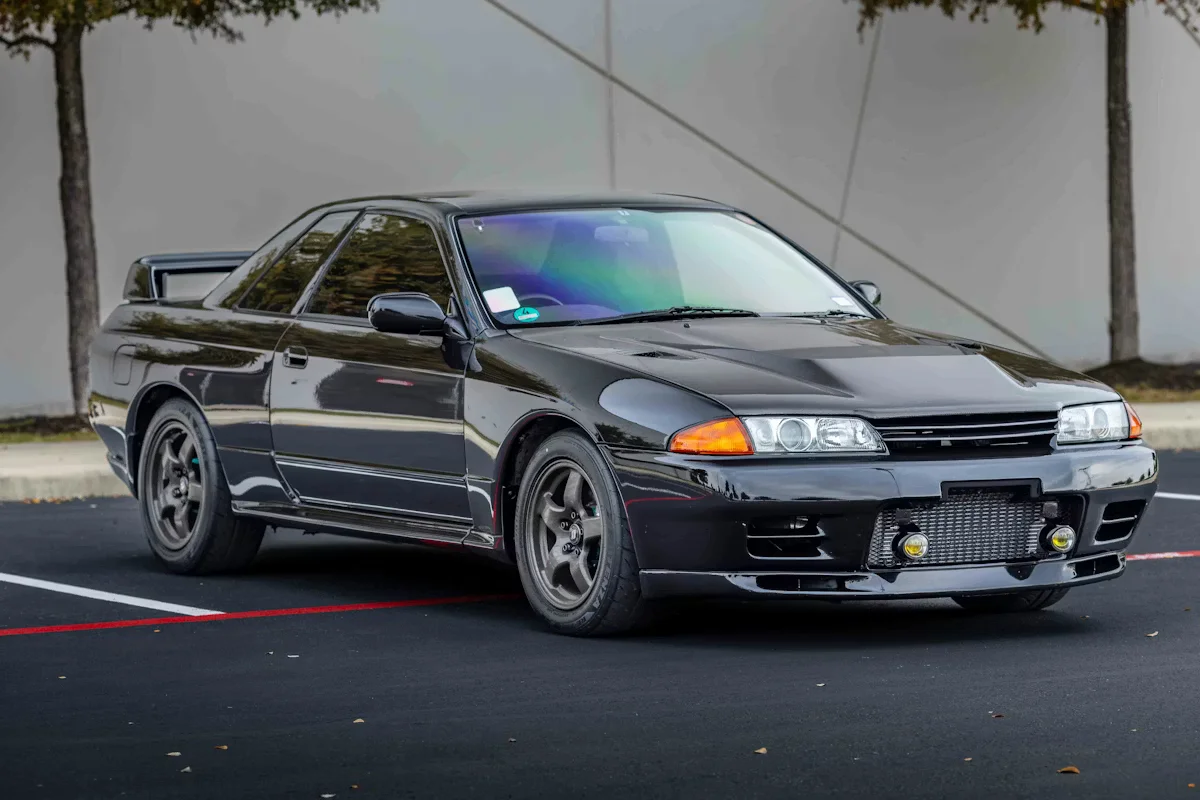
Nissan Skyline GT-R (R32, R33, R34)
The GT-R nameplate carries legendary status earned through decades of motorsport dominance. The R32’s RB26DETT engine and ATTESA E-TS all-wheel-drive system devastated competition, earning the nickname “Godzilla” for its ability to terrorize more expensive machinery.
The R34, particularly the V-Spec II Nür, represents the pinnacle of the series. Limited production and extensive factory development created a vehicle that remains relevant on modern roads. Clean, unmodified examples with proper documentation have appreciated by 400-500% in recent years.
At Zonda Cars, we emphasize the importance of originality when evaluating GT-Rs. The temptation to modify these cars is strong, but preserving factory specifications protects investment value. Finding an unmolested example becomes increasingly difficult as more cars enter the modification pipeline.
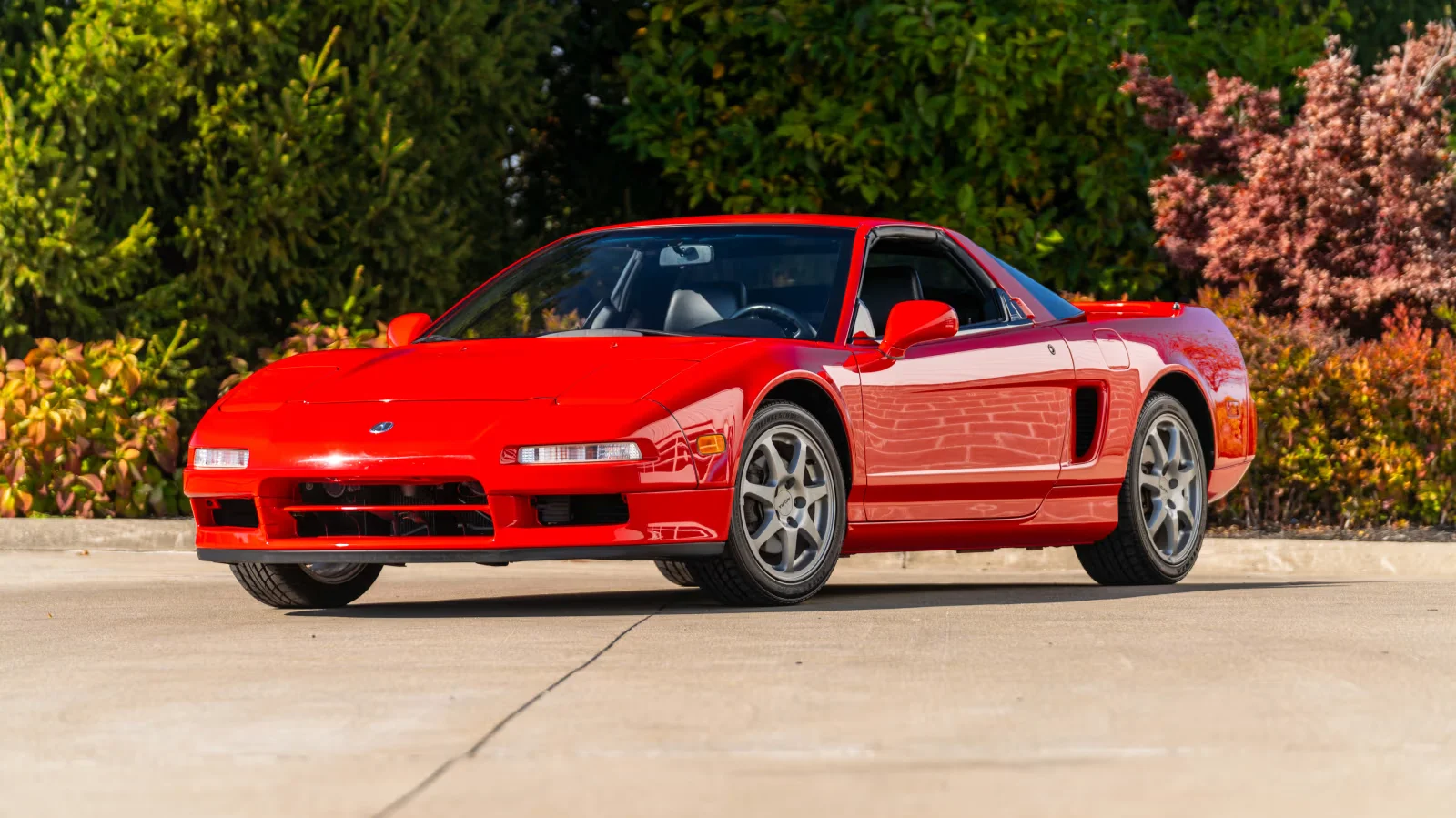
Honda NSX
Honda’s supercar challenged Ferrari with a different philosophy: exotic performance combined with Honda reliability. Developed with input from Ayrton Senna, the NSX proved that daily-driveable supercars were possible.
The aluminum monocoque construction was revolutionary for its time, and the VTEC engine delivered its power with linear predictability that shamed contemporary exotics. Pop-up headlights, manual transmission, and the iconic Formula Red color represent the most sought-after configuration.
While NSX values have risen substantially, they still offer accessibility compared to contemporary European exotics with similar performance. This value proposition attracts collectors seeking driver-focused supercars without the astronomical maintenance costs of Italian alternatives.
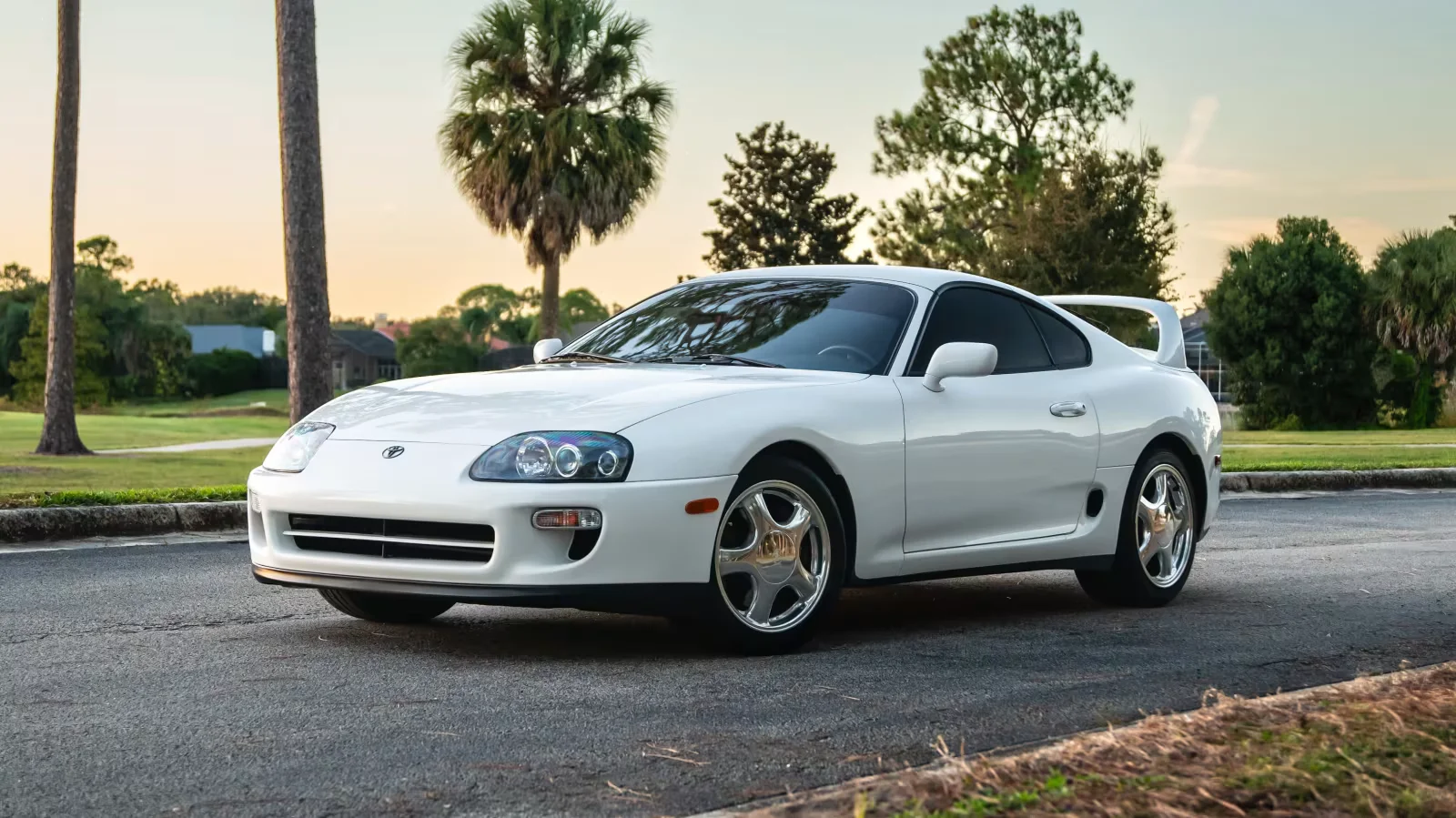
Toyota Supra (A80)
The fourth-generation Supra has become a cultural icon transcending its automotive achievements. The 2JZ-GTE engine’s legendary strength—supporting four-figure horsepower with proper upgrades—created a tuning phenomenon that continues today.
However, the Supra’s modification culture creates challenges for collectors. Finding original, unmodified examples requires diligence and expertise. We’ve evaluated dozens of Supras represented as “stock” that revealed modification evidence upon thorough inspection.
The most valuable Supras are completely original, low-mileage examples with comprehensive documentation. Manual transmission cars command premiums over automatics, and certain colors—particularly Quicksilver and Renaissance Red—attract stronger interest.
Beyond the Big Three: Hidden JDM Gems
While GT-Rs, NSXs, and Supras dominate headlines, other JDM vehicles offer compelling collecting opportunities.
Mazda RX-7 (FD3S)
The third-generation RX-7’s timeless design and rotary engine’s unique character have earned cult following status. Twin-turbocharged and exquisitely balanced, the FD represents the final evolution of Mazda’s rotary sports car philosophy.
Values have risen steadily, particularly for special editions like the Spirit R and Type R Bathurst. The rotary engine’s maintenance requirements don’t deter enthusiasts who appreciate its 9,000-rpm redline and distinctive exhaust note.
Mitsubishi Lancer Evolution
Rally heritage and turbocharged all-wheel-drive performance made the Evolution series legendary. The Evo VI Tommi Mäkinen Edition and final-generation Evo X represent bookends of the series, each with distinct appeal.
Unlike some JDM vehicles, Evolutions were sold officially in many markets, though Japanese-spec versions often featured superior specifications. The most valuable examples are pristine, unmodified cars with documented history.
Honda Integra Type R
The DC2 and DC5 Integra Type R models showcased Honda’s commitment to naturally aspirated performance. The high-revving VTEC engines and precise chassis tuning created vehicles that remain benchmarks for front-wheel-drive dynamics.
These cars were driven hard by enthusiasts, making well-preserved examples increasingly rare. Championship White Type Rs with original interiors and documented maintenance histories command strong prices.
The Authentication Challenge
JDM collecting presents unique authentication challenges that don’t affect domestic vehicles. Import documentation, VIN decoding, and specification verification require specialized knowledge.
At Zonda Cars, we maintain relationships with Japanese auction houses, manufacturers, and marque specialists who help verify authenticity. This network provides access to original auction sheets, service records from Japanese dealerships, and expert opinions on questionable vehicles.
Particular attention must be paid to:
- Import documentation and customs clearance records
- VIN authenticity and model designation codes
- Original auction sheet verification
- Specification confirmation for special editions
- Service history from Japanese ownership period
The prevalence of modified vehicles in the JDM market makes finding original examples challenging but also more valuable. Each modification diminishes investment potential, even if the work was performed professionally.
Market Trajectory and Investment Outlook
JDM values have appreciated dramatically, leading some to question whether the market has peaked. Our analysis suggests otherwise.
Several factors support continued appreciation:
First, the collector demographic is expanding. Younger enthusiasts entering the market will sustain demand for decades as they build wealth and purchasing power.
Second, supply constraints are permanent. Production numbers for most desirable JDM vehicles were limited, and attrition through accidents, modification, and normal wear continues to reduce the pool of investment-quality examples.
Third, regulatory changes make importing additional vehicles increasingly complex. As the easiest imports have already entered Western markets, finding new inventory becomes progressively harder.
Fourth, growing recognition of JDM vehicles as legitimate collectibles brings institutional interest. Established collectors who once dismissed Japanese cars now recognize their significance, expanding the buyer pool.
The Preservation Imperative
As JDM values rise, preservation becomes critical. These cars were designed for performance, and many have lived hard lives. Rescuing and properly restoring compromised examples protects automotive heritage while creating investment opportunities.
At Zonda Cars, we occasionally undertake comprehensive restorations of significant JDM vehicles. This work requires sourcing increasingly rare original parts and employing specialists familiar with specific models’ unique requirements.
The temptation to modify JDM cars remains strong within enthusiast communities. While we respect the tuning culture that helped establish these vehicles’ reputation, we advocate for preserving original examples as investments and historical artifacts.
The Emotional Investment
Beyond financial considerations, JDM collecting offers emotional rewards that transcend balance sheets. These cars connect collectors to a specific cultural moment when Japanese automotive engineering reached its zenith.
Driving a pristine R34 GT-R or original NSX provides experiences unavailable in modern vehicles. The analog connection, mechanical engagement, and distinctive character create memories that new cars, despite superior performance, cannot replicate.
Many collectors describe JDM ownership as fulfilling childhood dreams. The cars they admired in magazines and video games now sit in their garages, ready to deliver the thrills they imagined years ago.
Looking Forward
The JDM collecting movement continues to evolve. As prices for the most iconic models escalate, attention shifts to second-tier vehicles that offer similar enjoyment at more accessible price points.
We anticipate growing interest in later-production vehicles as they become eligible for import. The 25-year rule continually opens new opportunities as additional model years cross the threshold.
Simultaneously, the market for properly documented, original examples of established classics will strengthen as modification increasingly compromises the available supply.
Conclusion
JDM performance cars have earned their place in automotive history through engineering excellence, cultural impact, and driving dynamics that remain relevant decades after production. The collector market’s recognition of these achievements has created opportunities for enthusiasts to combine passion with investment.
At Zonda Cars, we’re proud to have championed JDM vehicles since our founding. Our expertise in authentication, sourcing, and preservation ensures that clients acquire investment-quality examples that will provide enjoyment and appreciation for years to come.
Whether you’re drawn to the technological sophistication of a Skyline GT-R, the supercar purity of an NSX, or the tuning potential of a Supra, the JDM market offers compelling opportunities for collectors who appreciate automotive excellence in all its forms.
The transformation of Japanese performance cars from affordable enthusiast vehicles to six-figure collectibles represents one of the most significant market shifts in automotive collecting history. For those who recognize their importance early, the rewards—both financial and emotional—can be extraordinary.