The world of classic car collecting has evolved from a passionate hobby into a sophisticated investment strategy. With some vintage automobiles appreciating faster than traditional assets, discerning investors are discovering that the right classic car can offer both emotional satisfaction and impressive financial returns. But navigating this complex market requires knowledge, patience, and expert guidance.
At Zonda Cars, we’ve witnessed firsthand how the classic car market has matured over the past two decades. From our experience sourcing and authenticating hundreds of investment-grade vehicles, we’ve learned what separates a wise investment from an expensive mistake. This comprehensive guide shares our insights to help you make informed decisions in the classic car market.
Understanding the Classic Car Investment Landscape
The classic car market has demonstrated remarkable resilience, even during economic downturns. According to market analysts, certain segments of the collector car market have outperformed traditional investments over the past decade. However, not all classic cars are created equal when it comes to investment potential.
The key to successful classic car investing lies in understanding market dynamics, authenticity verification, and long-term appreciation trends. Unlike stocks or bonds, classic cars require active stewardship—proper storage, maintenance, and documentation—making them both an investment and a responsibility.
The Five Pillars of Classic Car Investment Value
1. Provenance and Documentation
A vehicle’s history is its biography, and a well-documented provenance can dramatically impact value. Complete service records, ownership history, and original documentation transform a beautiful car into an authenticated masterpiece. We’ve seen identical models differ by hundreds of thousands of dollars based solely on documentation quality.
When evaluating a potential investment, demand comprehensive records. Original build sheets, warranty cards, service logs, and ownership chains should all be present and verifiable. Any gaps in history should be thoroughly investigated and explained.
2. Authenticity and Originality
The term “matching numbers” has become investment gospel in the classic car world for good reason. Original engines, transmissions, and major components that match factory records command premium prices. While expertly restored cars have their place, originality—especially in rare models—often trumps pristine restoration.
At Zonda Cars, we employ specialists who can verify authenticity through factory records, casting numbers, and date codes. This expertise protects our clients from costly mistakes and ensures their investments are genuine.
3. Rarity and Desirability
Production numbers matter significantly. Limited-edition models, special variants, and low-production runs typically appreciate more reliably than common examples. However, rarity alone doesn’t guarantee value—desirability is equally crucial.
The most investment-worthy vehicles combine limited production with strong enthusiast demand. A rare car that no one wants remains just rare, not valuable. Research market trends, auction results, and collector preferences to identify which rarities are genuinely desirable.
4. Condition and Restoration Quality
Condition grading in classic cars follows a generally accepted scale, with concours-quality vehicles commanding top dollar. However, the investment sweet spot often lies in excellent original or expertly restored examples rather than trailer queens that never see the road.
Understanding the difference between a professional restoration and amateur work is critical. Poor-quality restorations can actually diminish value, creating costly correction projects for future owners.
5. Historical Significance
Cars with racing history, celebrity ownership, or pivotal roles in automotive evolution carry premiums that extend beyond their mechanical specifications. A Ferrari that competed at Le Mans or a Porsche owned by a notable collector becomes more than transportation—it becomes a piece of history.
Research a vehicle’s background thoroughly. Sometimes the most valuable stories are hidden in old photographs, period magazines, or competition records waiting to be discovered.
Market Segments: Where to Focus Your Investment
Post-War European Classics
Ferraris, Porsches, and Aston Martins from the 1950s through 1970s have shown consistent appreciation. These vehicles combine beautiful design, racing heritage, and limited production. However, entry prices have risen significantly, with top examples reaching eight figures.
JDM Legends
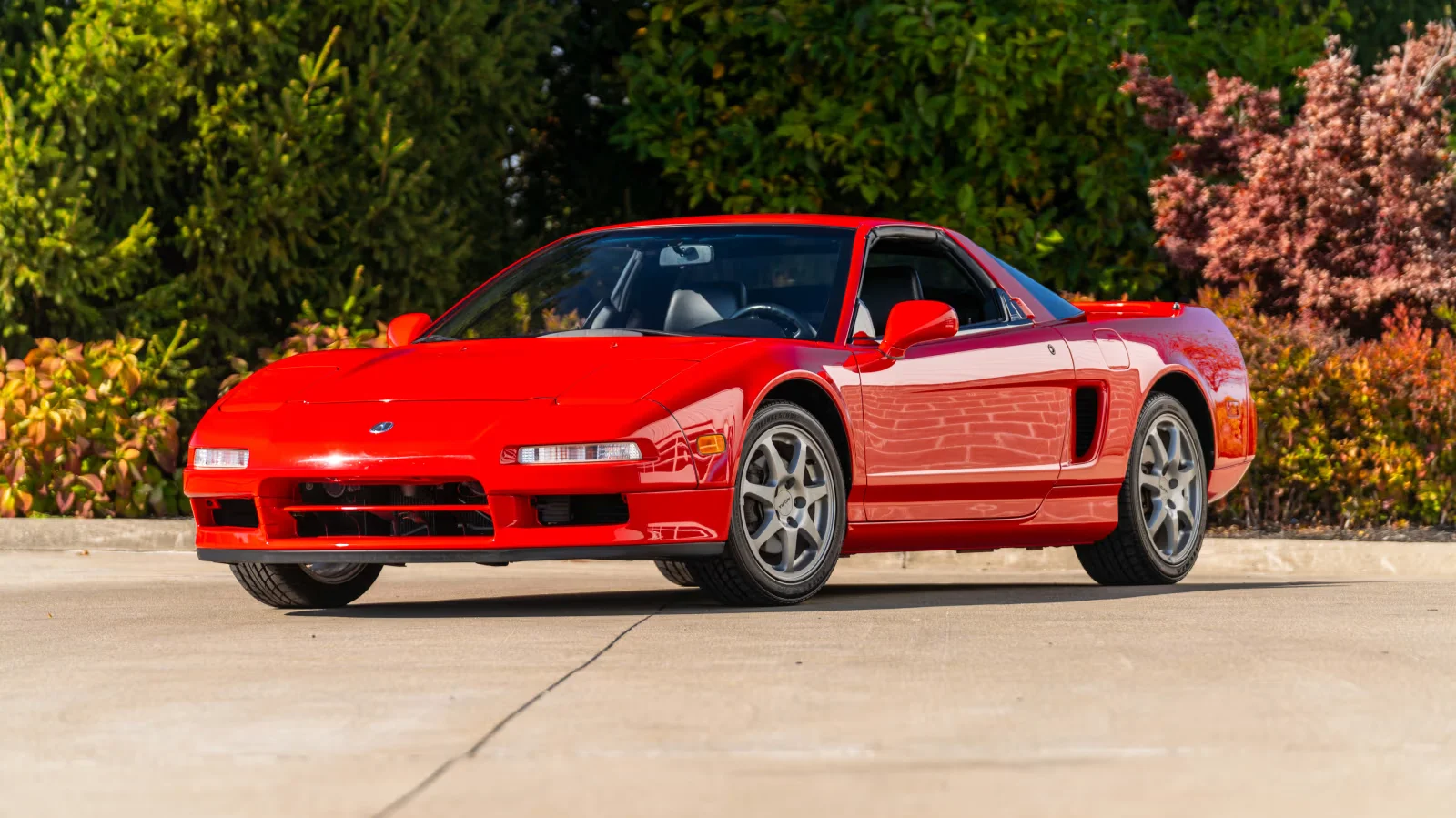
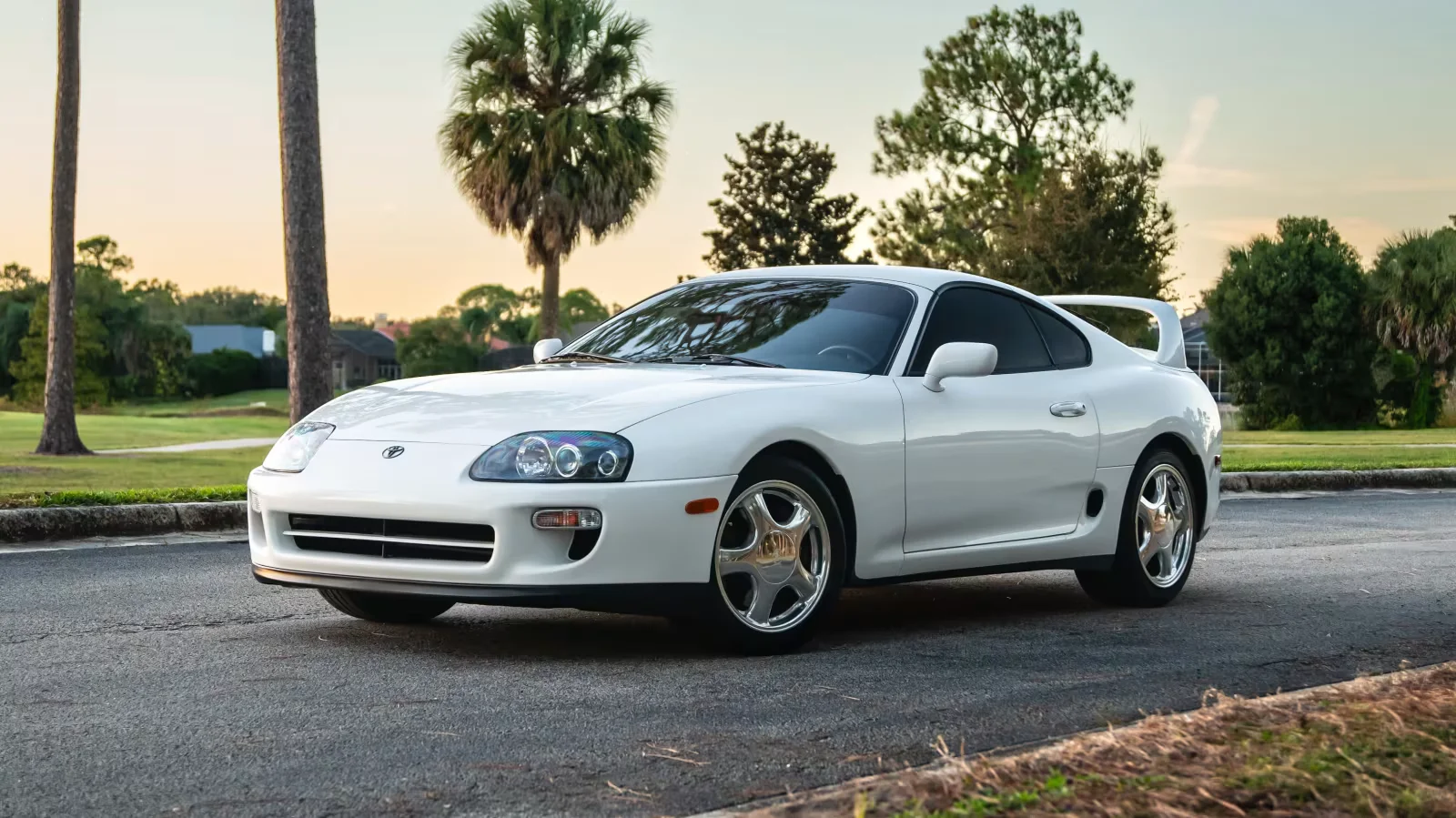
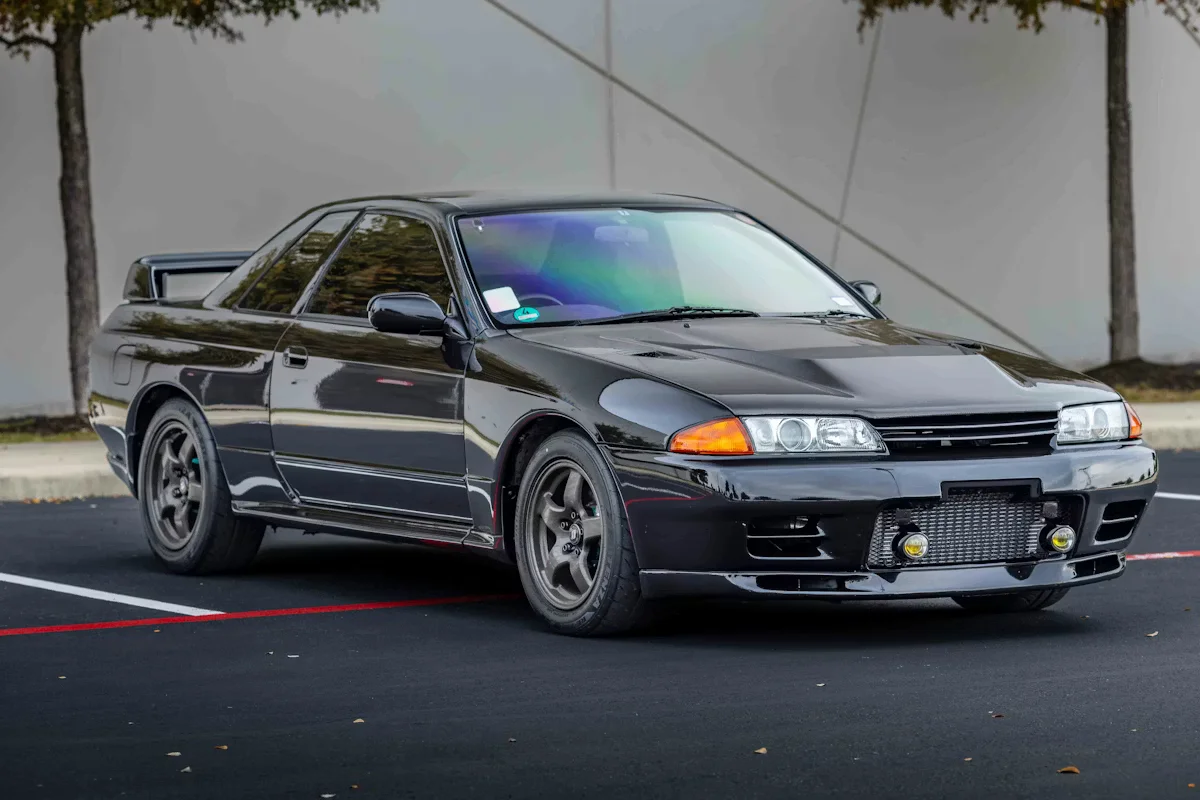
Japanese Domestic Market vehicles, particularly from the 1990s, represent one of the most dynamic segments currently. Models like the Nissan Skyline GT-R, Toyota Supra, and Honda NSX have appreciated dramatically as collectors who grew up admiring these cars now have the means to acquire them.
This segment offers accessibility for emerging collectors while still providing strong appreciation potential. However, authenticity verification is crucial, as the market faces challenges with modified examples and questionable imports.
American Muscle and Pony Cars
Classic American performance cars continue to attract strong interest, particularly special editions and rare variants. First-generation Mustangs, Plymouth Barracudas, and Chevrolet Camaros with correct documentation and desirable options remain solid investments.
The American classic market tends to be more accessible than European exotics, offering entry points for new collectors while still providing appreciation potential for top-tier examples.
Pre-War Classics
For serious collectors with substantial capital, pre-war classics represent the pinnacle of automotive collecting. These vehicles require significant expertise to evaluate and maintain but can achieve extraordinary values at auction.
The Authentication Process: Protecting Your Investment
Authentication separates wise investments from expensive mistakes. At Zonda Cars, our authentication process involves multiple layers of verification:
First, we examine all documentation, verifying VIN numbers, engine codes, and transmission stampings against factory records. We consult marque experts and historians who maintain detailed databases of production records.
Second, we conduct thorough physical inspections, examining everything from casting marks to date codes on components. Original parts have specific characteristics that experienced eyes can identify.
Third, we research the vehicle’s history through ownership records, registration documents, and period photographs when available. This detective work often uncovers valuable provenance information.
Finally, we obtain expert opinions from recognized authorities in specific marques. Their knowledge and market insight provide additional validation and peace of mind.
The True Cost of Ownership
Many new collectors underestimate the ongoing costs associated with classic car ownership. Beyond the purchase price, budget for proper storage, regular maintenance, insurance, and potential restoration work.
Climate-controlled storage is essential for protecting your investment. Exposure to humidity, temperature extremes, and environmental contaminants can cause deterioration that diminishes value and requires expensive correction.
Maintenance for classic cars requires specialists familiar with vintage systems and proper techniques. Modern mechanics, however skilled, often lack the specific knowledge needed for older vehicles.
Insurance for classic cars differs significantly from standard auto coverage. Agreed-value policies protect your investment by establishing the car’s worth upfront, eliminating disputes about depreciation in the event of a loss.
Market Timing and Strategy
Successful classic car investing requires patience and strategic thinking. Unlike liquid assets, classic cars can’t be quickly converted to cash without potentially accepting unfavorable terms.
The best acquisition opportunities often arise when sellers face time pressure or lack proper marketing. Conversely, rushed sales rarely achieve maximum value. Plan to hold investments for at least five to ten years to allow appreciation to offset transaction costs.
Monitor market trends through auction results, dealer pricing, and enthusiast community activity. Understanding current sentiment helps identify emerging opportunities before they become widely recognized.
Diversification applies to classic car portfolios as it does to traditional investments. Rather than concentrating resources in a single vehicle, consider building a collection across different marques, eras, or market segments.
The Joy Beyond Financial Returns
While this guide focuses on investment aspects, the best classic car investments provide returns beyond financial appreciation. The joy of driving a beautifully engineered machine, participating in enthusiast events, and preserving automotive heritage creates value that balance sheets can’t capture.
At Zonda Cars, we believe the finest investments combine financial wisdom with genuine passion. The cars that appreciate most reliably are often those that enthusiasts most desire to own and experience.
Working with Trusted Advisors
Navigating the classic car market successfully requires building relationships with knowledgeable advisors. Reputable dealers, expert mechanics, and experienced collectors provide invaluable guidance that protects your interests.
Beware of sellers who discourage independent inspection or rush transactions. Legitimate dealers welcome scrutiny because they’re confident in their offerings. At Zonda Cars, we encourage clients to conduct thorough due diligence and seek additional opinions.
Expert advisors earn their fees by preventing costly mistakes and identifying opportunities that inexperienced buyers might overlook. The cost of expertise is far less than the price of buying the wrong car.
Conclusion
Classic car investing offers unique opportunities for those who approach it with knowledge, patience, and proper guidance. The combination of tangible assets, potential appreciation, and driving enjoyment creates an investment experience unlike any other.
Success in this market comes from thorough research, careful authentication, and long-term perspective. By understanding what drives value, working with trusted experts, and maintaining your investments properly, you can build a collection that provides both financial returns and lasting satisfaction.
At Zonda Cars, we’re committed to helping collectors navigate this exciting market with confidence. Our decades of experience, authentication expertise, and passion for automotive excellence ensure that every vehicle we offer meets the highest standards for investment quality and collector appeal.
Whether you’re acquiring your first classic car or expanding an established collection, remember that the best investments begin with knowledge, proceed with patience, and reward those who appreciate the journey as much as the destination.